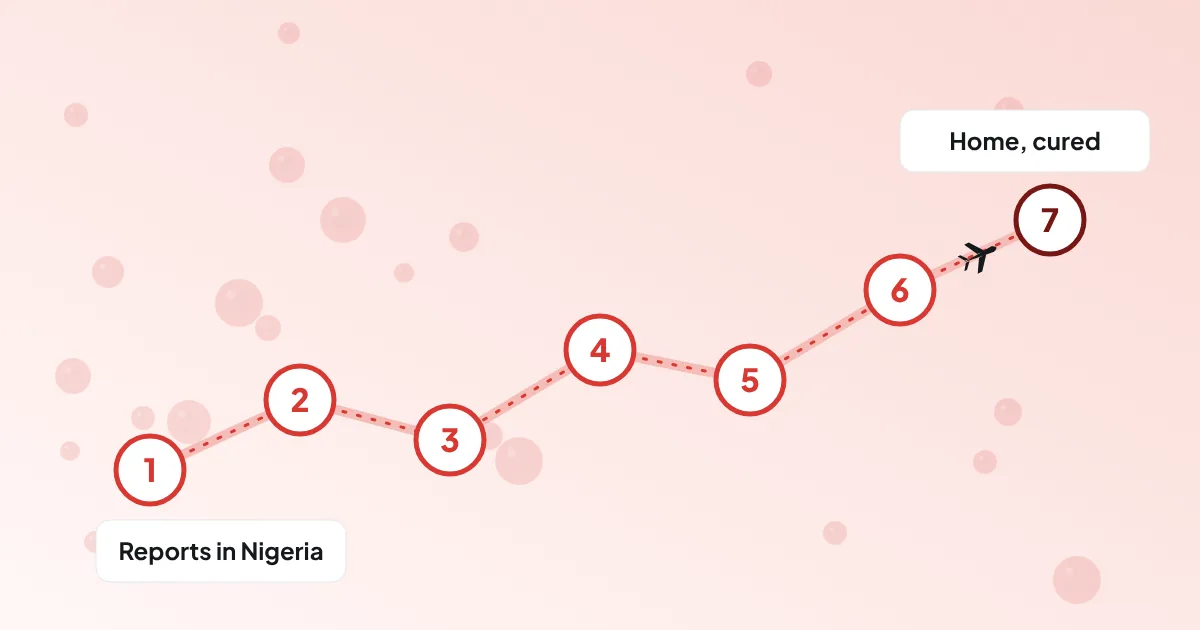
Most parents who contact us from Lagos, Abuja or Port Harcourt have already done months of reading. What they're missing is the order of things: what to do first, what can wait, and where families tend to lose weeks. This is that order.
1. Collect your child's reports
Start with the haemoglobin electrophoresis or HPLC result confirming the diagnosis, a recent full blood count, and kidney and liver tests. Add a short history: crises per year, any stroke or acute chest syndrome, and how many transfusions. Clear phone photos are fine for a first review.
2. Get HLA typing for your child and full siblings
This blood test shows who can donate. Each full brother or sister (same mother and father) has about a one-in-four chance of being a perfect match. If nobody matches, a parent can usually donate as a half-match. Our page on types of BMT explains both.
3. Send everything to us
A senior transplant specialist reviews the case, and within 48 hours you'll hear whether a transplant is right for your child, with a written cost estimate. If more than one unit suits the case, you get more than one estimate to compare. You can look through the hospitals and doctors beforehand.
4. Apply for the medical visa
Once you choose a hospital, it emails an invitation letter to the Indian mission in Nigeria. Your child applies for a medical visa, and the donor and one carer apply as medical attendants. Sort the vaccination certificates early. They're the usual hold-up.
| Document | Where it comes from | Good to know |
|---|---|---|
| Passport, 6+ months valid | Nigeria Immigration Service | One for every traveller, including the donor |
| Hospital invitation letter | Indian hospital, emailed to the mission | Names the patient, donor and attendants |
| Referral letter | Your child's haematologist | On letterhead, signed and stamped |
| Bank statement, last 3 months | Your bank | Certified; add a sponsor affidavit if someone else pays |
| Donor compatibility report | HLA laboratory | Required for transplant visas |
| Yellow fever certificate | Vaccination centre | Everyone except infants under six months |
| Polio vaccination certificate | Vaccination centre | Mandatory for Nigerian residents; valid one year |
5. Travel and settle in
There's no direct flight, so plan for one connection and 14 to 20 hours door to door. Our team meets you at the airport and helps you find a furnished flat near the hospital. Pack two weeks of your child's usual medicines and a warm layer, because transplant wards are kept cool.
6. The transplant
Week one is tests for your child and the donor. Then comes conditioning chemotherapy, the stem cell infusion (it looks like a blood transfusion and takes an hour or two), and two to four weeks of waiting for the new marrow to start working. Our treatment process page walks through each stage.
7. Recovery and going home
Most families stay about three months. Before you fly, the hospital hands over a follow-up plan your doctor at home can run with, and we stay in touch for the check-ins after that. For the money side, see our India vs Nigeria cost breakdown or the treatment cost page.
BMT Treatment India helps families from Nigeria and across Africa plan bone marrow transplants at accredited hospitals in India, from the first report to the flight home.
Sources and notes. Visa document list based on the medical visa requirements published by the High Commission of India, Abuja. Requirements change, so confirm with the Indian mission before you apply.
Keep reading
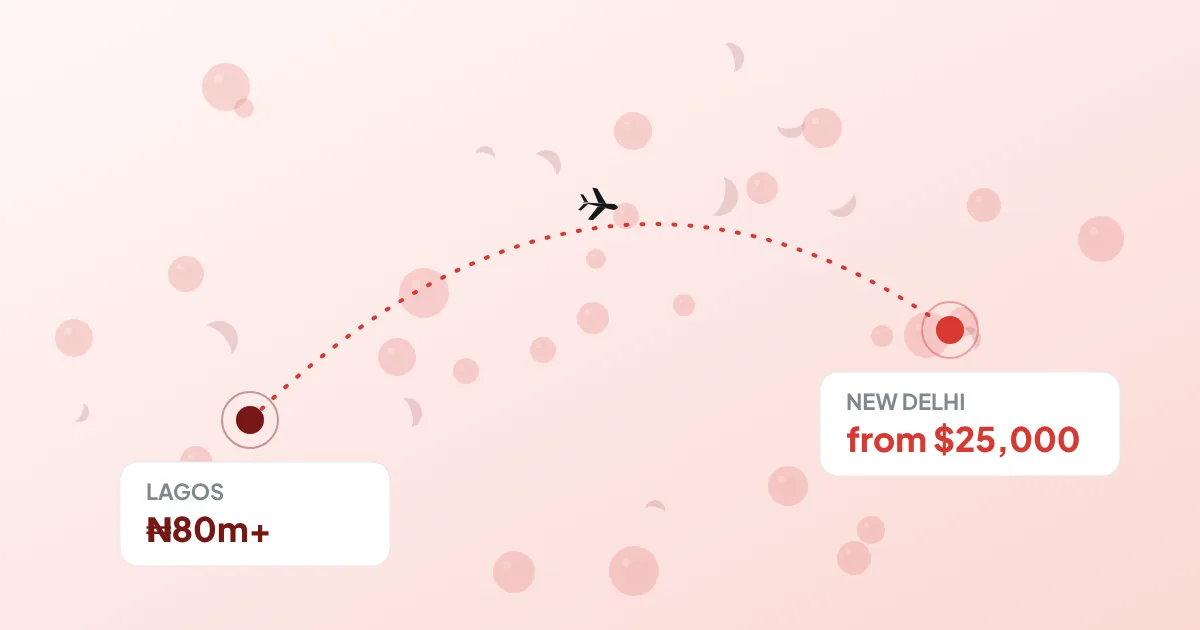
Cost of Sickle Cell BMT in India vs Nigeria: Why Families Are Choosing India
Sickle cell bone marrow transplant in India starts from USD 25,000, against more than ₦80 million at home. A full cost breakdown for Nigerian families.
Read the guide →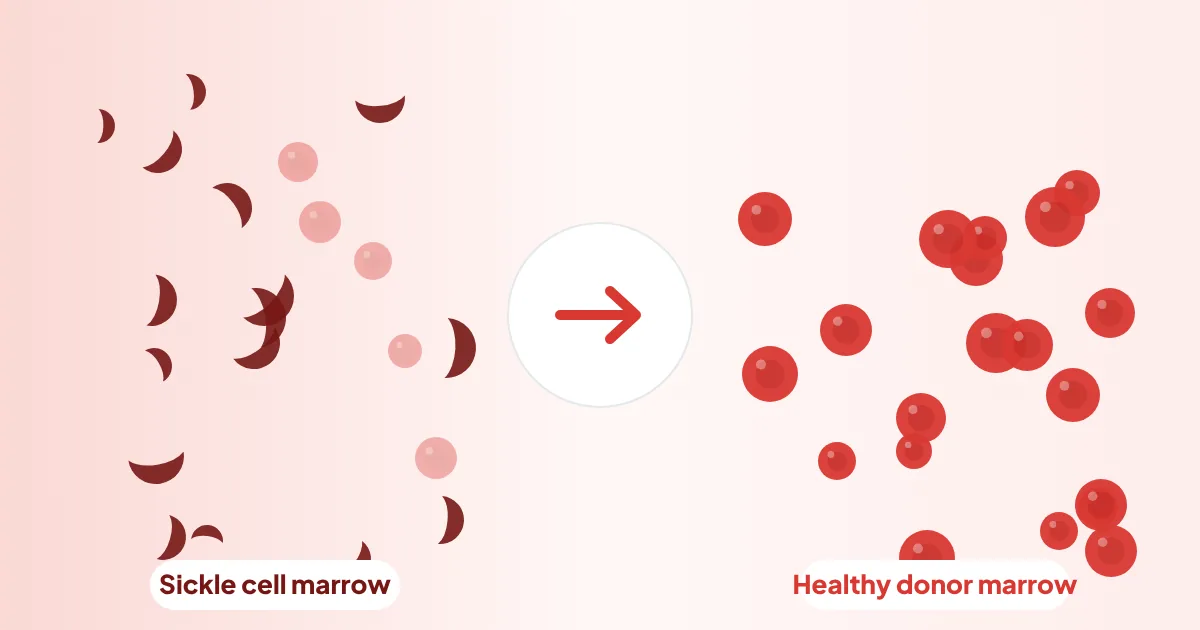
Sickle Cell Disease Cure in India: Bone Marrow Transplant Guide for Nigerian Families
Can sickle cell be cured? How a bone marrow transplant works, which children qualify, success rates and donor options, for Nigerian families considering India.
Read the guide →